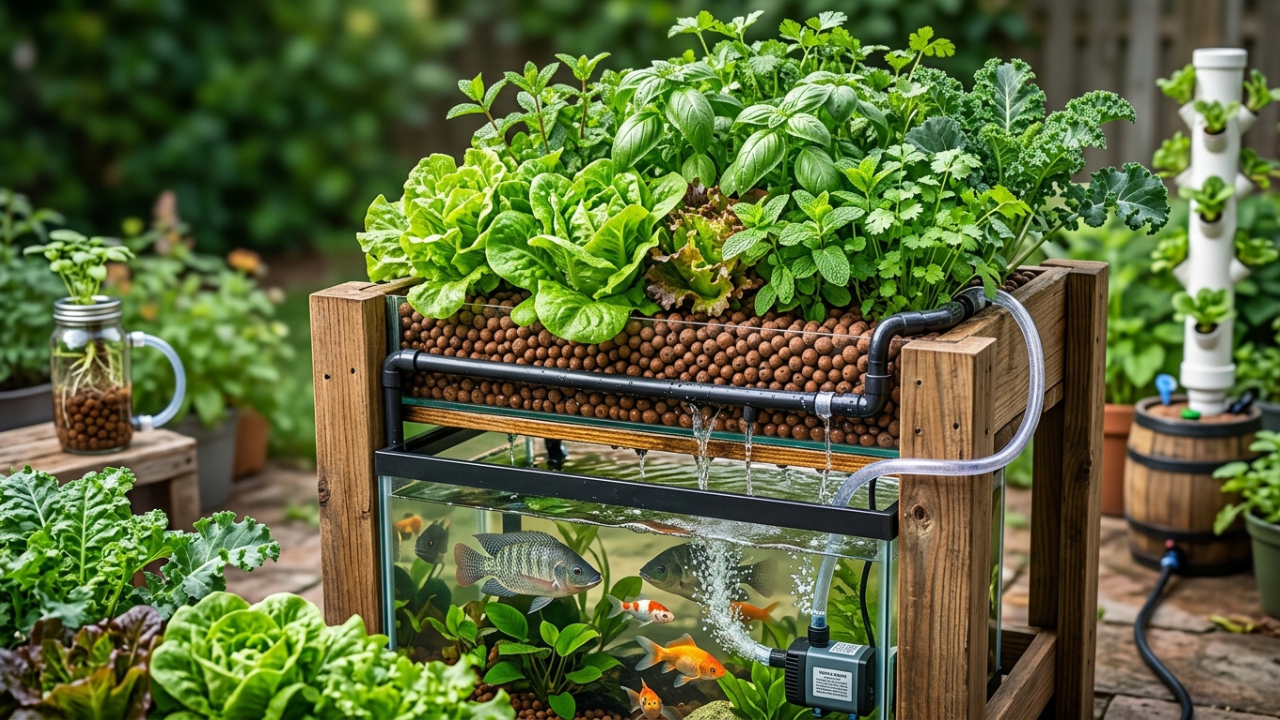
Imagine walking into your living room and being greeted by a splash of vibrant green. It's a feeling that instantly lifts your mood, right? Many of us struggle to make our homes feel truly alive and welcoming.
You might have the furniture, the art, but something feels missing. That's where indoor plants decor ideas living rooms planters come in. This guide will show you how to use plants and their containers to transform your living space, making it a more beautiful and calming place.
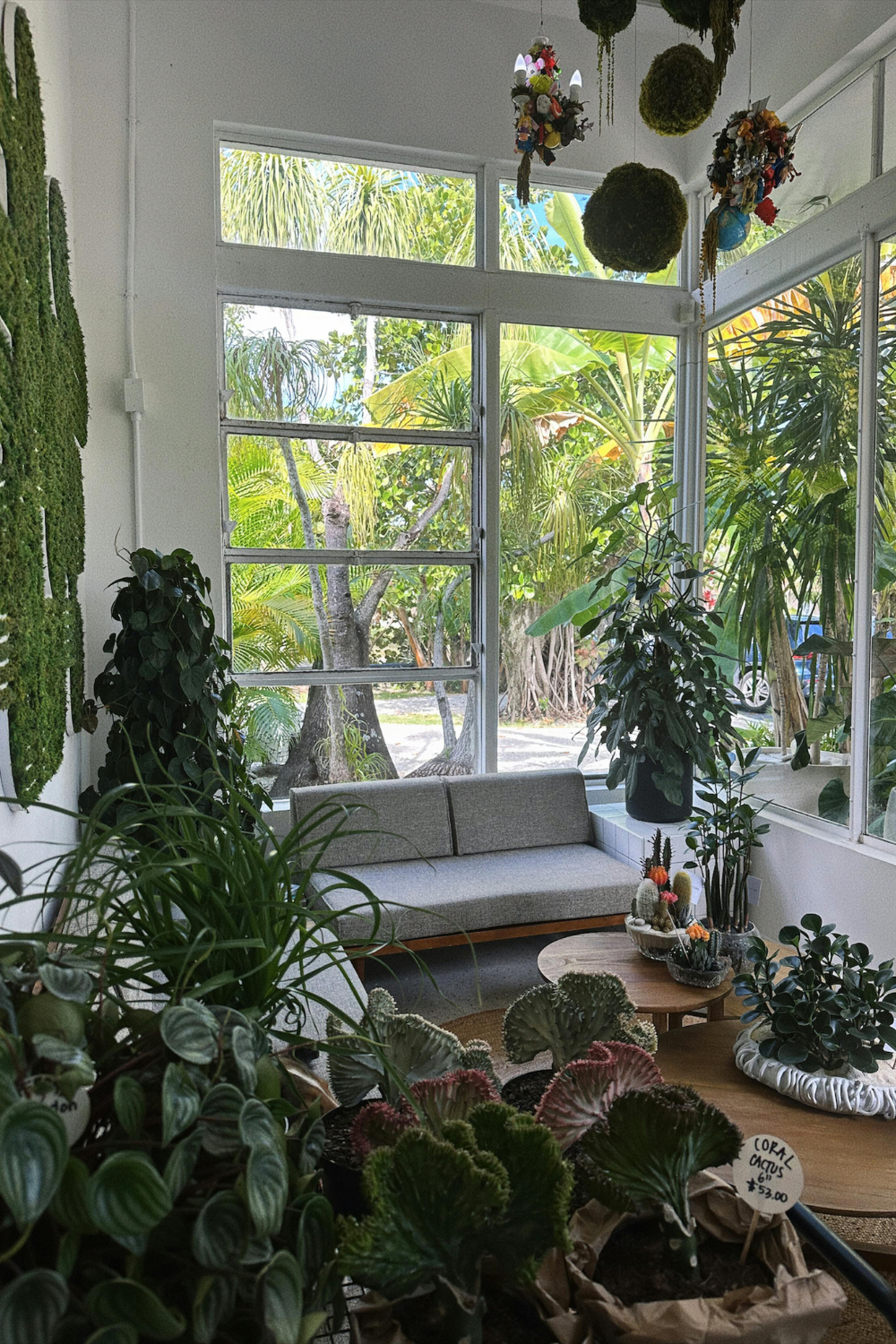
You'll learn simple yet impactful ways to style your rooms, boosting your home's appeal and your own well-being.
The 20 Living Room Plant Decor Ideas
Transforming your living room into a lush, inviting sanctuary is easier than you think. It's about more than just placing a pot on a table; it's about creating an atmosphere, adding life, and personalizing your space. Plants bring natural beauty, improve air quality, and can even boost your mood. The right planters act as decorative elements themselves, complementing your existing style and enhancing the visual appeal of your greenery. Whether you have a small apartment or a spacious home, there are countless ways to incorporate plants and planters to make your living room a true reflection of you. This list explores twenty unique and effective ideas to inspire your green thumb and elevate your home décor.
1. Create a Statement Plant Corner
Designate a specific corner of your living room to become a focal point with a large, dramatic plant. Think of a Fiddle Leaf Fig, a Monstera Deliciosa, or a Bird of Paradise. These plants have impressive size and unique leaf shapes that draw the eye.
Choosing the Right Statement Plant
The success of a statement plant corner depends on selecting a plant that thrives in your living room's light conditions and has a visually impactful presence. Consider the plant's mature size to ensure it fits the space without overwhelming it.
- Light Requirements: Assess the natural light in your chosen corner. Most statement plants, like the Fiddle Leaf Fig, prefer bright, indirect light. If your corner is darker, consider a ZZ plant or a Snake Plant, which are more tolerant of low light.
A Snake Plant, with its tall, upright, sword-like leaves, can add a sculptural element. It’s also known for its air-purifying qualities. A ZZ plant offers glossy, dark green leaves that can make a space feel more sophisticated.
- Container Choice: The planter is as important as the plant. For a statement plant, opt for a planter that complements your living room's style. A sleek, minimalist ceramic pot works well in modern décor. A woven basket can add warmth and texture to bohemian or rustic settings. For a touch of luxury, consider a metallic or marble planter.
A large, matte black ceramic planter can ground a tall plant and add a modern edge. In contrast, a terracotta pot brings a natural, earthy feel. Ensure the planter has drainage holes to prevent root rot. A drainage saucer is essential to protect your floors.
- Styling Tips: Don't overcrowd the corner. Let the statement plant be the star. You can place a smaller accent plant or a decorative stool next to it to create depth. Add a floor lamp nearby to highlight the plant in the evening.
A well-placed floor lamp can cast interesting shadows from the plant's leaves, adding drama. Consider placing a piece of art on the wall behind the plant that echoes its colors or forms.
Real-life Example
Sarah, a homeowner in a city apartment, transformed a dim, unused corner by placing a tall, mature Snake Plant in a stylish, brushed brass planter. The plant's vertical lines brightened the space, and the planter added a touch of elegance that matched her minimalist furniture. The corner, once neglected, became a serene spot for relaxation.
2. Group Plants for Visual Impact
Clustering several plants together creates a lush, mini-jungle effect. This is a fantastic way to fill empty spaces and add significant visual interest. Varying the heights, sizes, and types of plants and planters can make this arrangement dynamic.
Creating a Plant Cluster
The art of grouping plants lies in thoughtful selection and arrangement. It's about creating a cohesive display that feels intentional rather than haphazard.
- Vary Heights and Textures: Combine plants of different heights, from trailing plants on shelves to medium-sized floor plants and taller specimens. Mix leaf textures, such as glossy, matte, fuzzy, or spiky. This contrast creates visual depth and prevents the arrangement from looking flat.
For instance, pair a cascading Pothos with a sturdy ZZ plant and a feathery Asparagus Fern. The Pothos will spill over the edges, the ZZ plant will stand tall, and the fern will add delicate greenery.
- Mix Planter Styles and Materials: Don't be afraid to mix and match planters. Combine ceramic, terracotta, metal, and woven materials. This eclecticism adds character and personality. However, try to maintain a consistent color palette or material type for one or two planters to tie the group together.
A common approach is to have one or two neutral-toned planters as anchors and then introduce planters with bolder colors or unique textures. For example, two simple white ceramic pots could frame a group that includes a blue mosaic pot and a natural fiber basket.
- Consider Light Needs Together: When grouping plants, ensure they all have similar light requirements. Placing plants with vastly different needs together will lead to some struggling while others thrive, disrupting the visual harmony.
Most common houseplants prefer bright, indirect light. If you have a sunny spot, you can group sun-lovers. For shadier areas, select plants tolerant of lower light conditions.
Sample Scenario
Imagine a collection of three plants: a tall Snake Plant in a white cylindrical pot, a medium-sized Spider Plant in a terracotta pot, and a small trailing String of Pearls in a small, dark blue ceramic pot. Place them on a console table or in a corner, varying their distances slightly. This creates a natural, tiered effect.
3. Utilize Vertical Space with Wall Planters
Wall planters are excellent for small living rooms or for adding greenery to unexpected places. They draw the eye upwards, making the room feel larger and more dynamic.
Maximizing Vertical Greenery
Wall planters are a stylish solution for those with limited floor space or who want to add a unique architectural element.
- Types of Wall Planters: Wall planters come in many forms. You can find sleek, modern geometric designs, rustic wooden boxes, or modular systems that allow for multiple plantings. Hanging planters, suspended from ceiling hooks or wall brackets, also contribute to vertical green décor.
Modular wall planters, often made of felt pockets or individual pots that attach to a frame, are ideal for creating a living wall effect. They can be arranged in various patterns.
- Plant Selection for Wall Planters: Choose plants that are well-suited for vertical growth or have a trailing habit. Plants like Pothos, Philodendron, Spider Plants, and certain ferns work beautifully. Consider smaller succulents or air plants for minimalist designs.
Trailing plants will gracefully spill over the edges of the planter, creating a cascade of green. This effect is particularly striking in modern or minimalist interiors.
- Installation and Care: Ensure wall planters are securely fastened to the wall, especially if they will hold heavy plants or soil. Consider the watering needs; some wall planters have built-in reservoirs, while others require careful watering to avoid dripping.
When installing, use appropriate wall anchors for the weight of the planter and plants. A drip tray or lining can protect walls from moisture. Watering may need to be done with a watering can with a long spout or even a spray bottle for smaller setups.
4. Hang Plants from the Ceiling
Hanging plants add a whimsical, airy feel to a living room. They can fill empty vertical space and draw attention to high ceilings.
Hanging Plant Design
Hanging plants bring life to overhead spaces, creating a natural canopy effect.
- Choosing Hanging Hardware: Use sturdy ceiling hooks screwed into joists or studs for safety. Macrame hangers are popular for a bohemian look, while metal or simple rope hangers suit modern styles.
Ensure the hardware is rated for the weight of the planter, soil, and mature plant.
- Selecting Hanging Plants: Trailing plants are ideal for hanging. Consider English Ivy, String of Hearts, Burro's Tail Succulent, or various types of Pothos and Philodendron.
These plants naturally grow downwards, creating a beautiful curtain of green.
- Placement for Impact: Hang plants near windows for light, above seating areas for a cozy feel, or in corners to soften sharp angles.
A well-placed hanging plant can become a natural piece of art.
Case Study
A small café used hanging planters filled with vibrant Spider Plants to soften the industrial look of their exposed brick walls. The cascading leaves added a sense of freshness and organic beauty, making the space feel more welcoming and less stark.
5. Integrate Plants into Bookcases and Shelves
Shelves and bookcases are perfect platforms for showcasing a variety of smaller to medium-sized plants. This creates layered interest and adds a touch of life to your storage solutions.
Shelf Styling with Plants
Bookcases and shelves are prime real estate for plant displays. It's about balancing greenery with your books and decorative objects.
- Mix Plant Sizes on Shelves: Place taller plants on higher shelves and smaller plants or trailing ones on lower shelves. This creates visual hierarchy and prevents shelves from looking cluttered.
Consider plants like a small Peperomia, a collection of succulents, or a trailing Pothos to add variety.
- Use Planters That Complement Your Books: Choose planters that match or complement your existing décor. Ceramic pots, metal containers, or even old tins can be used. Coordinate the colors or styles of the planters with your book spines or other shelf decorations.
A cohesive planter color, like all white or all black, can tie the plant display together.
- Consider Light and Accessibility: Ensure plants on shelves receive adequate light. Shelves higher up may get more light. Make sure you can easily reach them for watering and care.
Plants placed on shelves close to a window will generally do better.
Real-life Example
Emily styled her living room bookcase by placing a small Fiddle Leaf Fig on the top shelf, a few succulents on the middle shelf interspersed with books, and a trailing Chlorophytum comosum (Spider Plant) on the bottom shelf. This created a dynamic, green display that broke up the solid lines of books.
6. Place Plants on Side Tables and Coffee Tables
Smaller plants or those in attractive, compact planters can add a touch of life and color to your side tables and coffee tables.
Tabletop Greenery
Small plants on tables add charm and bring nature closer to where you relax.
- Choose Compact Plants: Select plants that won't overpower your table. Small succulents, air plants, or miniature varieties of popular houseplants like a small Monstera or a Peperomia are ideal.
A tiny succulent garden in a shallow dish makes an excellent centerpiece.
- Use Decorative Planters: The planter itself can be a decorative element. Look for small, stylish pots, geometric terrariums, or even vintage teacups.
A planter with an interesting pattern or metallic finish can elevate the look.
- Create Mini Arrangements: Grouping two or three small plants or combining a plant with decorative stones or small figurines can create a charming vignette.
A collection of small, low-maintenance succulents in varied small pots can create a modern, minimalist centerpiece.
Sample Scenario
Place a small snake plant in a minimalist white pot on one end of your coffee table, and a small ceramic bowl with a few colorful succulents on the other end. This adds visual interest without making the table feel cluttered.
7. Use Plants as Room Dividers
Tall plants or a collection of plants arranged together can act as natural, attractive room dividers, separating spaces within an open-plan living room.
Green Room Dividers
Plants can subtly define different zones in a living room without the harshness of solid walls.
- Select Tall and Bushy Plants: Plants like bamboo, large ferns, or even a cluster of Snake Plants can create a partial screen. Choose plants that have a substantial presence.
Screening bamboo, for example, can provide significant privacy and a tropical feel. Ensure it’s a clumping variety if you don't want it to spread aggressively.
- Arrange in Planters on Wheels: Placing plants in large planters on casters allows for easy rearrangement, giving you flexibility in defining your space.
This is particularly useful if you like to reconfigure your living room layout often.
- Combine with Shelving Units: Incorporate plants into open shelving units that are positioned as room dividers. This adds a living element to functional furniture.
An open bookshelf filled with books and plants can serve as both storage and a visual barrier.
Case Study
A modern loft apartment used a long, low planter filled with tall ornamental grasses and ferns to subtly divide the living area from the dining space. This created a visual separation that maintained the open feel of the apartment while defining the zones.
8. Incorporate Plants into Your Gallery Wall
Add small plants or air plants to your gallery wall arrangement. This brings a natural, organic element to your curated collection of art and photos.
Gallery Wall Greenery
Integrating plants into a gallery wall adds depth and a unique, living dimension to your visual display.
- Small Pot or Air Plant Holders: Use small, lightweight pots or specialized air plant holders that can be hung or placed on tiny shelves within the gallery wall layout.
Air plants, requiring minimal soil, are ideal as they can be mounted directly onto wooden frames or placed in small decorative holders.
- Balance Greenery with Art: Ensure the plants complement, rather than compete with, your artwork. Consider the colors and shapes of the plants against your chosen art pieces.
A plant with delicate fronds might soften the edges of a bold, graphic print.
- Light Considerations: Place plants where they will receive adequate light. This might mean incorporating them near windows or using grow lights discreetly.
Small clip-on grow lights can be used to provide targeted illumination without detracting from the art.
9. Use Plants as a Natural Air Purifier
Many common houseplants are known for their ability to filter indoor air pollutants. Grouping them strategically can contribute to a healthier living environment.
Air-Purifying Plant Power
Beyond aesthetics, plants offer tangible benefits for your home's air quality.
- Effective Air-Purifying Plants: Research plants known for their air-purifying qualities. NASA's study identified many common houseplants like Spider Plants, Snake Plants, Peace Lilies, and Boston Ferns as effective in removing toxins like formaldehyde and benzene.
These plants absorb pollutants through their leaves and roots, converting them into less harmful substances.
- Strategic Placement for Air Flow: Place air-purifying plants in areas where air circulation is good, such as near windows or vents, to maximize their effectiveness.
Good air flow helps move indoor air through the plant's filtration system.
- Maintenance for Optimal Function: Keep plants healthy with proper watering, light, and occasional leaf cleaning. Dust on leaves can inhibit their ability to absorb pollutants.
Wiping down leaves with a damp cloth regularly will help them function at their best.
Statistic
According to a study by the University of Guilford, indoor plants can reduce levels of volatile organic compounds (VOCs) in a room by up to 60%.
10. Incorporate Plants into Your Media Console
Add a touch of green to your entertainment area. Small plants can soften the hard lines of media consoles and add a touch of life to your tech space.
Media Console Greenery
Bringing plants near your media setup adds a natural balance.
- Small, Low-Light Tolerant Plants: Opt for smaller plants that don't require intense sunlight, as media areas are often less bright. Snake plants, ZZ plants, and cast iron plants are good choices.
These plants are hardy and can withstand varying light conditions.
- Planters That Match Your Tech: Choose sleek, modern planters in materials like metal, glass, or dark ceramic to complement your electronics.
A brushed aluminum planter can echo the look of your devices.
- Avoid Overpowering the TV: Ensure plants don't obstruct your view of the screen or create glare.
Position plants to the sides or slightly in front of the console, rather than directly in front of the TV.
11. Create a Terrarium Centerpiece
A terrarium is a self-contained miniature ecosystem that can serve as a beautiful and engaging centerpiece for your coffee table or dining table.
Terrarium Design
Terrariums offer a miniature world of green that adds a unique decorative touch.
- Closed vs. Open Terrariums: Closed terrariums are best for humidity-loving plants like mosses and ferns, creating a self-sustaining environment. Open terrariums are suitable for succulents and air plants that prefer drier conditions.
A closed terrarium requires minimal watering once established, as the water cycles within the container.
- Choose the Right Glassware: Use clear glass containers such as jars, bowls, or specialized terrarium vessels. The transparency allows light to reach the plants and showcases the design.
Consider the opening size – a wide opening makes it easier to plant and maintain.
- Layering for Success: Start with a drainage layer of gravel or pebbles, followed by a thin layer of activated charcoal (to prevent odors), then a potting mix suitable for your chosen plants.
The charcoal layer is key to keeping a closed terrarium fresh.
Sample Scenario
Create a closed terrarium in a large glass cloche. Layer gravel, charcoal, and a moist potting mix. Add small ferns, mosses, and perhaps a tiny figurine to create a whimsical forest scene.
12. Use Plants on a Floating Shelf
Floating shelves offer a minimalist way to display plants, adding greenery without the visual bulk of traditional shelving units.
Floating Shelf Styling
Floating shelves provide a clean canvas for showcasing your plants.
- Select Slim Planters: Opt for slim or wall-hugging planters that don't protrude too far from the wall.
This maintains the minimalist aesthetic of the floating shelf.
- Vary Plant Heights on the Shelf: Place a slightly taller plant at one end and smaller ones towards the other, or cluster them in the center for a focal point.
This creates visual balance and prevents the shelf from looking too busy.
- Consider Wall Color: White or light-colored floating shelves can make colorful planters and lush green plants pop. Darker shelves offer a more subdued, sophisticated look.
The contrast between the shelf color and the plant/planter colors is important.
13. Place Plants in Vintage Tins or Containers
Repurpose old tins, watering cans, or other vintage finds as charming planters. This adds a unique, eclectic character to your living room décor.
Vintage Planter Charm
Giving new life to old items adds a personal and unique touch.
- Ensure Drainage: If your vintage container doesn't have drainage holes, you'll need to drill them or create a drainage layer with gravel and activated charcoal at the bottom.
Proper drainage is crucial to prevent root rot.
- Clean Thoroughly: Make sure to clean any vintage container thoroughly before using it to remove dust, rust, or debris.
A good scrub and a coat of sealant (if necessary) can prepare the container.
- Match the Vibe: Choose vintage items that complement the overall style of your living room, whether it's rustic, industrial, or bohemian.
A rusted watering can fits well in a farmhouse-style living room.
Real-life Example
A homeowner used an old, galvanized watering can to plant a trailing Ivy. Placed on a rustic wooden side table, it added a touch of vintage charm and a pop of green to a cozy reading nook.
14. Use Large Floor Planters
Large floor planters can house impressive plants that become architectural elements in your living room. They can fill empty corners or anchor a seating area.
Statement Floor Planters
These are for the bold, using plants as furniture.
- Choose Sturdy, Oversized Planters: Select planters that are proportionate to the size of your plant and the room. Materials like ceramic, stone, or metal work well for large plants.
The planter should be heavy enough to prevent tipping.
- Select Plants with Scale: Consider plants like a Bird of Paradise, a large Fiddle Leaf Fig, a tall Dracaena, or a lush Areca Palm that can fill the space and create a dramatic effect.
These plants have a substantial presence and contribute significantly to the room's décor.
- Placement for Maximum Impact: Position these large planters in corners, next to a sofa, or in the center of a seating arrangement to define the space.
A large plant can act as a natural sculpture, drawing the eye.
Statistic
According to interior design trends, incorporating large-scale greenery can increase perceived room size and improve occupant well-being by up to 15%.
15. Incorporate Plants into a Coffee Table Vignette
Create a charming vignette on your coffee table by combining a plant with other decorative items like candles, books, and small sculptures.
Coffee Table Vignette Ideas
A coffee table is a prime spot for a curated display.
- Balance Elements: Mix heights and textures. A small potted plant can be paired with stacked books, a decorative tray, and a scented candle for a layered look.
Consider varying the materials – wood, ceramic, metal, and glass.
- Choose a Central Piece: The plant can be the central piece, or it can be an accent to other decorative items.
A small succulent garden or a single, striking plant works well.
- Consider Scale: Ensure the elements are appropriately scaled to the coffee table so it doesn't look overcrowded.
Leave enough space for functionality, like placing drinks.
16. Use Hanging Terrariums
Hanging terrariums add a delicate, ethereal touch. They are like miniature glass gardens suspended in the air.
Hanging Terrarium Appeal
These add a touch of magic and can be placed almost anywhere.
- Plant Selection for Hanging Terrariums: Small, slow-growing plants that thrive in humid environments are ideal. Think small ferns, mosses, or air plants.
Air plants can also be displayed in hanging glass orbs without soil.
- Hanging Mechanism: Use fine chains or macrame hangers that complement the delicate nature of the terrarium.
Ensure the hanging point is secure.
- Placement: Hang them near windows for natural light, or in clusters to create a focal point.
They can add a touch of green to a reading nook or above a side table.
17. Utilize Corner Shelves for Plants
Corner shelves are often overlooked spaces that can be transformed into attractive plant displays.
Corner Shelf Plant Displays
Make use of often-empty corners.
- Tiered Corner Shelves: Tiered shelves allow you to display multiple plants of varying heights in a compact area.
This creates a cascading effect of greenery.
- Mix Potted Plants and Hanging Plants: Place potted plants on the shelves and hang smaller trailing plants from the upper shelves or ceiling above.
This maximizes the visual impact in a small footprint.
- Consider Lighting: Ensure plants placed on corner shelves receive adequate light. If the corner is dark, consider plants that tolerate low light or supplement with small grow lights.
Small LED grow lights can be discreetly attached to the shelves.
18. Create a Plant-Filled Window Nook
Turn a sunny window into a thriving green space. A collection of plants here can become a beautiful focal point and a source of natural light.
Window Nook Gardening
Windows are natural light factories for your plants.
- Choose Sun-Loving Plants: Select plants that thrive in direct sunlight, such as succulents, cacti, herbs, or some flowering plants.
These plants will flourish in a bright window location.
- Use a Variety of Planters: Mix different types and sizes of planters to create visual interest. Consider shallow trays for succulents or small pots for herbs.
Terracotta pots are excellent for succulents as they allow the soil to dry out quickly.
- Ensure Easy Access: Make sure you can easily reach the plants for watering, pruning, and care.
A small step stool might be helpful for higher windows.
Sample Scenario
Arrange a variety of succulents and a small rosemary plant on a wide windowsill. Use an assortment of small terracotta pots and a ceramic bowl to create a charming, productive display that also adds fragrance.
19. Integrate Plants into Your Fireplace Mantel
The fireplace mantel is a prominent display area. Adding small to medium-sized plants here can bring life and color to this often-decorative space.
Mantel Plant Decor
Elevate your mantel with living greenery.
- Small to Medium Plants: Choose plants that fit comfortably on the mantel without obstructing any artwork or decorative items.
A small ZZ plant or a trailing Pothos can soften the lines of the mantel.
- Balance with Other Decor: Mix plants with candles, picture frames, or decorative objects for a well-rounded display.
Vary the heights and textures of your decor.
- Consider Heat Safety: If your fireplace is used regularly, ensure plants are placed far enough away from the heat source to prevent damage.
Alternatively, use artificial plants if the area is too hot for live ones.
20. Mix Plants with Lighting Elements
Combine plants with ambient lighting like string lights or elegant lamps to create a cozy and inviting atmosphere. The light can highlight the plants' textures and colors.
Plants and Light Synergy
Lighting enhances the beauty of your plants and the ambiance of your room.
- Use String Lights with Plants: Drape delicate string lights around plants on shelves or hanging baskets. The soft glow can create a magical effect, especially in the evening.
Fairy lights or warm white LED strands work well.
- Highlight with Lamps: Place plants near floor lamps or table lamps so the light illuminates their leaves and forms. Experiment with the direction of the light for dramatic shadow play.
A spotlight effect can showcase a particularly beautiful plant.
- Consider Grow Lights as Decor: Some modern grow lights are designed to be aesthetically pleasing and can be integrated into your decor, providing essential light for your plants while also serving as a lighting fixture.
These can be discreetly placed behind or beside plants.
Frequently Asked Questions
Question: What are the best low-light indoor plants for a living room?
Answer: For living rooms with low light, consider Snake Plants (Sansevieria), ZZ Plants (Zamioculcas zamiifolia), Cast Iron Plants (Aspidistra elatior), Peace Lilies (Spathiphyllum), and certain types of Pothos and Philodendron. These plants are known for their ability to tolerate and even thrive in less-than-ideal lighting conditions, making them perfect for dimmer corners or rooms with limited natural light.
Question: How do I choose the right planter for my living room decor style?
Answer: To choose the right planter, consider your existing living room style. For modern or minimalist decor, opt for sleek ceramic, metal, or concrete planters in neutral colors. For bohemian or rustic styles, woven baskets, terracotta, or distressed metal planters work well.
For a more luxurious feel, look for marble, brass, or dark, glossy finishes. Always ensure the planter has drainage holes or use a cachepot.
Question: Can plants really improve the air quality in my living room?
Answer: Yes, many indoor plants have been shown to improve air quality by filtering out common indoor pollutants like formaldehyde, benzene, and xylene. While the effect may be modest in a typical home environment, a significant number of plants can contribute to a healthier living space. Plants like Spider Plants, Snake Plants, and Peace Lilies are particularly effective.
Question: How often should I water my indoor plants?
Answer: Watering frequency depends on the plant type, pot size, humidity, and light. A good rule of thumb is to check the soil moisture. Stick your finger about two inches into the soil; if it feels dry, it's time to water.
Most plants prefer to dry out slightly between waterings, but some, like ferns, prefer consistently moist soil. Overwatering is a common mistake, so it's better to under-water than over-water.
Question: What are some easy-care indoor plants for beginners?
Answer: For beginners, start with plants that are known for their hardiness and resilience. Excellent choices include Snake Plants, ZZ Plants, Pothos, Spider Plants, and Cast Iron Plants. These plants are forgiving of occasional neglect, tolerate a range of light conditions, and don't require fussy watering schedules, making them ideal for those new to plant care.
Bringing indoor plants into your living room with thoughtful decor and planters is a simple way to create a vibrant, calming, and stylish space. From statement corners to delicate hanging terrariums, these ideas offer practical ways to enhance your home's beauty and your well-being. Experiment with different plants and planters to find what best suits your style and your living room's unique environment.