I've spent years growing forage grasses for livestock, and Guatemala grass (Tripsacum laxum, sometimes labeled Tripsacum andersonii) is one of the crops I keep coming back to. The first time I planted it, I made almost every mistake you can make — wrong spacing, cuttings that were too young, a plot with poor drainage that rotted half my stand within a month. I'm writing this guide so you don't have to repeat those mistakes. Everything here comes from what I've tested in my own plots, cross-checked against agronomic research, so you're getting both hands-on experience and verified fact.
What Is Guatemala Grass, and Why Farmers Grow It
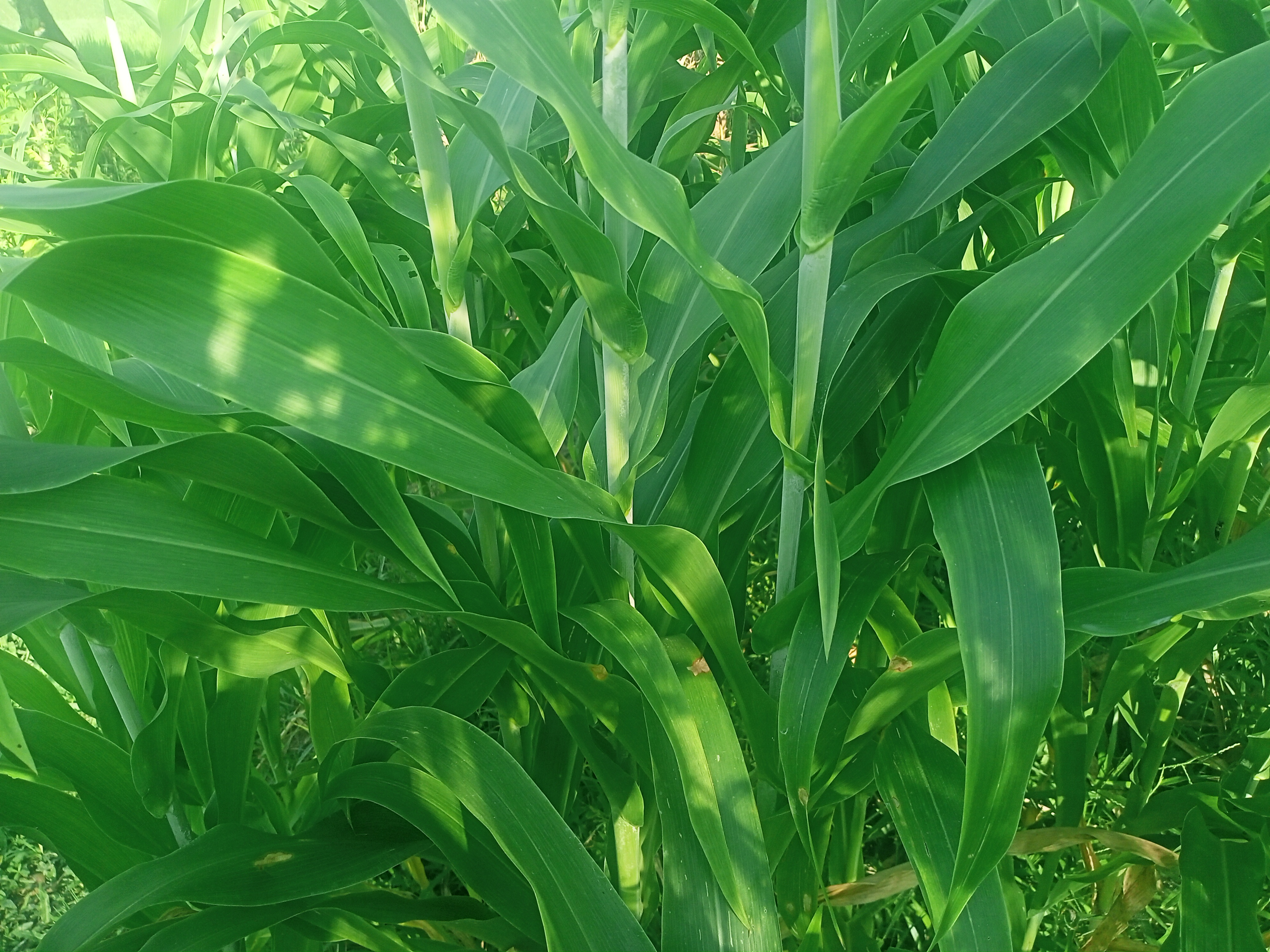
Guatemala grass is a tall, leafy perennial that's related to maize — you can actually see the family resemblance in the stems and leaf structure. It's native to Central America and northern South America, but it's now grown throughout the tropics because it produces enormous amounts of leafy, palatable forage for cattle, goats, and rabbits. In my own experience, cattle take to it faster than they do to elephant grass, and it holds its leaf quality longer before turning woody.
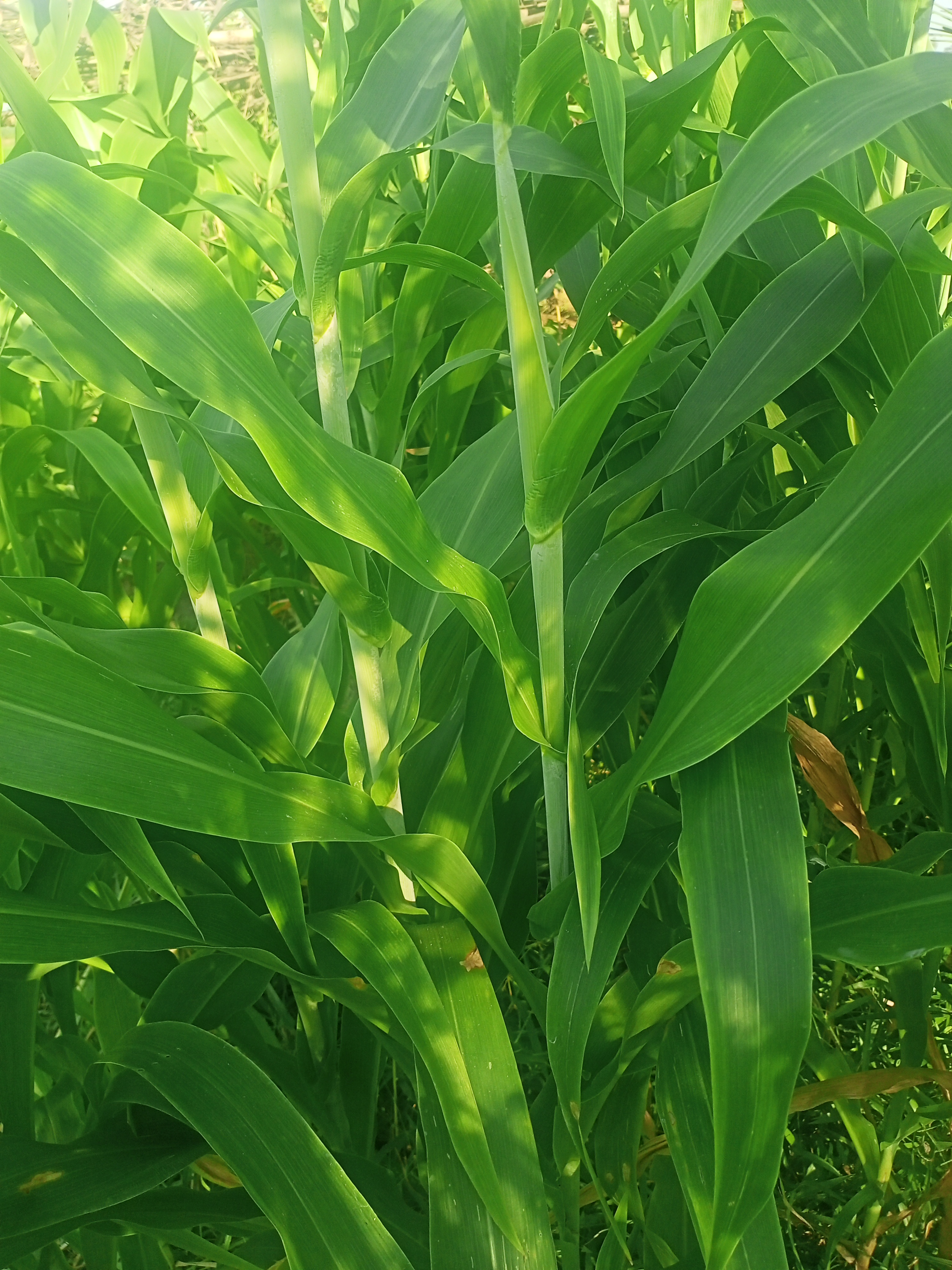
Beyond feed, I've also used it as a living erosion barrier on a sloped section of my land. It's been used the same way in rubber and oil palm plantations, where growers rely on it for soil cover, mulching, and erosion control on drained land.
Before You Plant: What Guatemala Grass Actually Needs
I learned this part the hard way, so pay attention here.
- Climate: It thrives where daytime temperatures sit between roughly 22–30°C, though it can tolerate a wider range from about 12–35°C. It's a moist-tropics plant, happiest at elevations up to around 2,000 meters.
- Soil: It's remarkably tolerant — it grows on a wide range of soils, including poor, acidic, and even swampy ground. But here's the catch I found out myself: it fails on badly drained, waterlogged, or flood-prone land. My worst planting failure came from ignoring this exact point.
- Moisture: Consistent soil moisture, whether from rain or irrigation, is one of the two biggest factors in getting a productive stand — the other being fertility.
How to Plant Guatemala Grass, Step by Step

1. Skip the Seeds — Propagate Vegetatively
This is the part that surprises new growers every time. Guatemala grass rarely produces viable seed because its flowers are mostly sterile, so you won't find seed packets for it anywhere. Instead, it's propagated by:
- Stem cuttings with 3–4 mature nodes, taken from healthy stems on plants that are about 10–12 months old
- Rooted tillers or tuft divisions split off an established clump
- Rhizome sections, if you're working from an existing patch
I always go with cuttings from mature stems — they root faster and establish a more resilient plant than younger, greener cuttings, which is exactly the mistake I made on my first attempt.
2. Time It With the Rains
Plant at the start of the rainy season if you can. Guatemala grass has shallow roots early on, and it struggles without steady moisture while those roots are establishing. I've tried planting in the dry season with irrigation, and it can work, but it demands far more attention and water than a rain-season planting.
3. Prepare Your Planting Holes or Furrows
You can plant into individual holes or along a plough furrow. Either works — I personally prefer furrows on larger plots because they make later fertilizing and weeding faster.
4. Get Your Spacing Right
Spacing recommendations vary a bit depending on the source and your goals, and I've settled on the tighter end for faster canopy closure and weed suppression:
- Around 50–65 cm between plants within rows about 1 meter wide for a dense, quick-establishing stand
- Up to 1–2 meters apart for larger-scale fodder plots, which gives individual clumps more room to bulk up
- Roughly 3 feet apart in rows if you're planting nursery-raised seedlings rather than raw cuttings
I'd recommend the tighter spacing if weed pressure is a concern on your land, and the wider spacing if you're managing a big plot and want fewer plants to establish per hectare.
5. Plant the Cuttings Correctly
Lay or angle the stem cuttings into the soil so at least one or two nodes are buried — that's where new roots and shoots will emerge from. Firm the soil around them so they make good contact and don't dry out.

6. Water Consistently Through Establishment
For the first several weeks, keep the soil moist. This is the single most important thing you can do to guarantee a good stand. I check my new plantings every couple of days until I see fresh green shoots pushing up, which usually takes about two to three weeks in warm, moist conditions.
7. Fertilize for Yield
Fertility is the other half of the productivity equation. Guatemala grass responds well to good soil fertility, and I've had noticeably better yields on plots I've top-dressed with manure or a balanced fertilizer compared to plots left unfed. If you're growing it purely for erosion control rather than fodder, you can get away with less.
Managing Your Stand After It Establishes
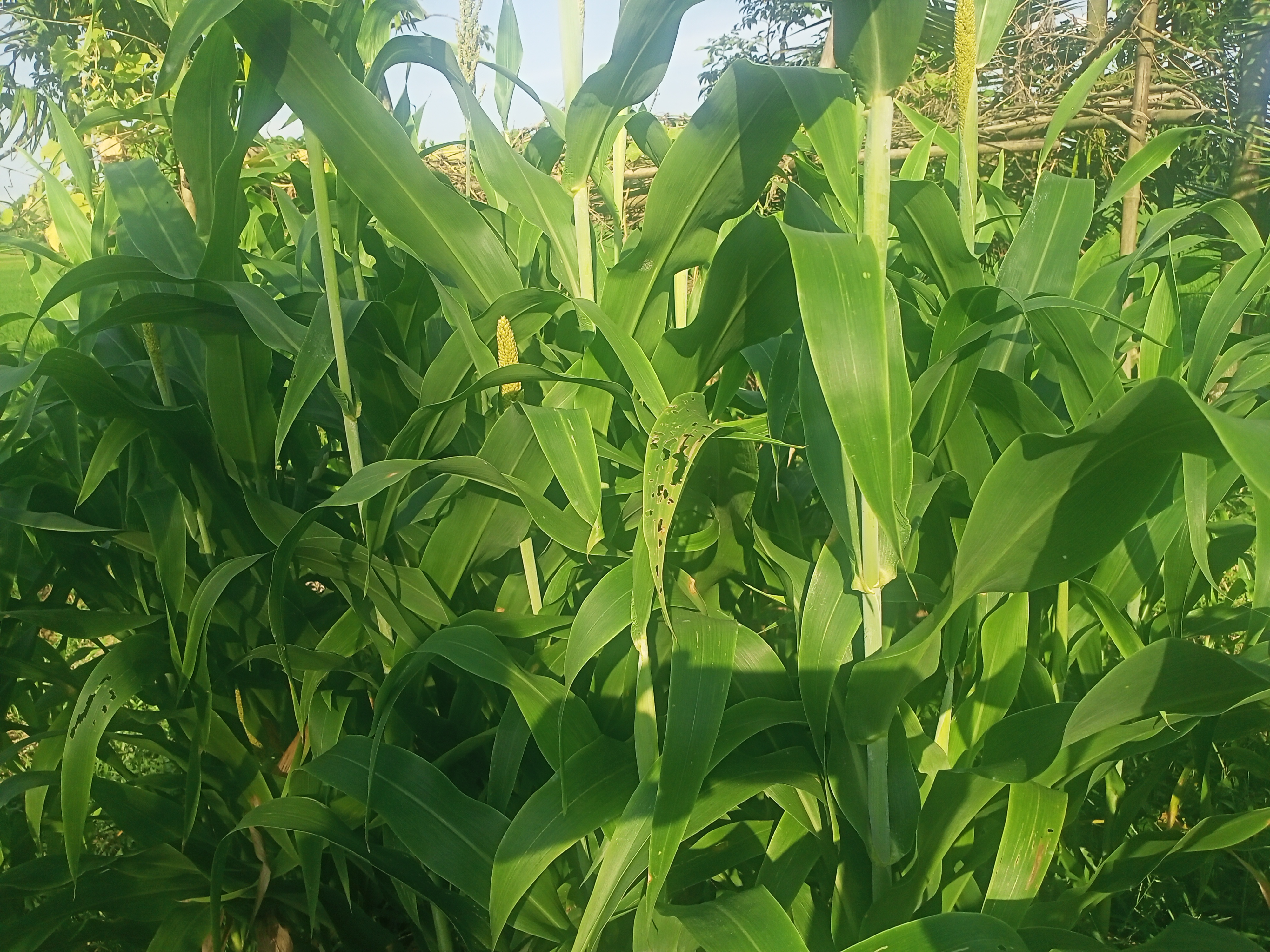
Once it's growing, a few things I've learned matter for the long run:
- Don't over-harvest. Guatemala grass doesn't tolerate heavy grazing or frequent cutting well. I cut mine roughly every 30 days in the wet season and stretch that to about 42–45 days in the dry season, which matches what agronomic guidance recommends.
- Cut at the right maturity. Nutrient content drops as the grass ages — nitrogen content falls noticeably from young regrowth at four weeks to older regrowth by twelve weeks. I cut on the earlier side if I want higher-protein fodder, and let it grow longer only if I need bulk.
- Pair it with a legume. Because forage quality declines with age, I interplant or supplement with a leguminous shrub like Leucaena leucocephala to balance out the diet I'm feeding my animals. This is standard practice among growers I've spoken with and is backed by forage research as well.
- Watch for foliar disease in humid climates. It's not bulletproof — some regions have reported foliar diseases and weaker regrowth after cutting, which affected yields in trials in parts of East Africa. I haven't run into serious disease pressure on my own plots, but I keep an eye on leaf spotting, especially in wetter months.
A Few Honest Trade-Offs
I want to be upfront about this part, because a lot of guides oversell the crop. Guatemala grass has shallow roots and doesn't handle long dry spells well. In some regional trials, it's actually underperformed other forage grasses on yield and farmer acceptance, largely due to disease and slow regrowth after cutting. It's a strong option, but it's not automatically the best forage grass for every farm or every climate. If your land floods seasonally or you're in a genuinely arid zone, I'd weigh other options — or at least trial a small plot before committing serious acreage to it.
Final Thoughts From My Own Experience
Guatemala grass has become one of my go-to forage crops because it's forgiving on soil type, productive when it's fed well, and cattle genuinely like eating it. But the plant rewards attention during establishment and punishes neglect afterward. Get your cuttings from mature stems, plant at the start of the rains, don't skimp on spacing or water, and manage your cutting schedule so you're not stripping the plant faster than it can recover. Do that, and you'll have a productive, leafy stand that keeps feeding your animals season after season.
This guide is based on my own field experience growing Guatemala grass, cross-referenced with agronomic and forage research sources including Feedipedia, PROSEA/Pl@ntUse, and published forage studies.