I still remember the winter my egg count dropped from a steady dozen a day to barely four. My hens looked fine, ate their layer feed like clockwork, and yet something was missing. A friend who'd been keeping poultry for twenty years asked me one simple question: "What are they foraging on?" That question sent me down a rabbit hole of research, trial and error, and eventually a complete overhaul of how I think about feeding chickens. This post is the result of that journey — everything I wish someone had told me before I spent three seasons figuring it out the hard way.
Why I Started Looking at Grass in the First Place
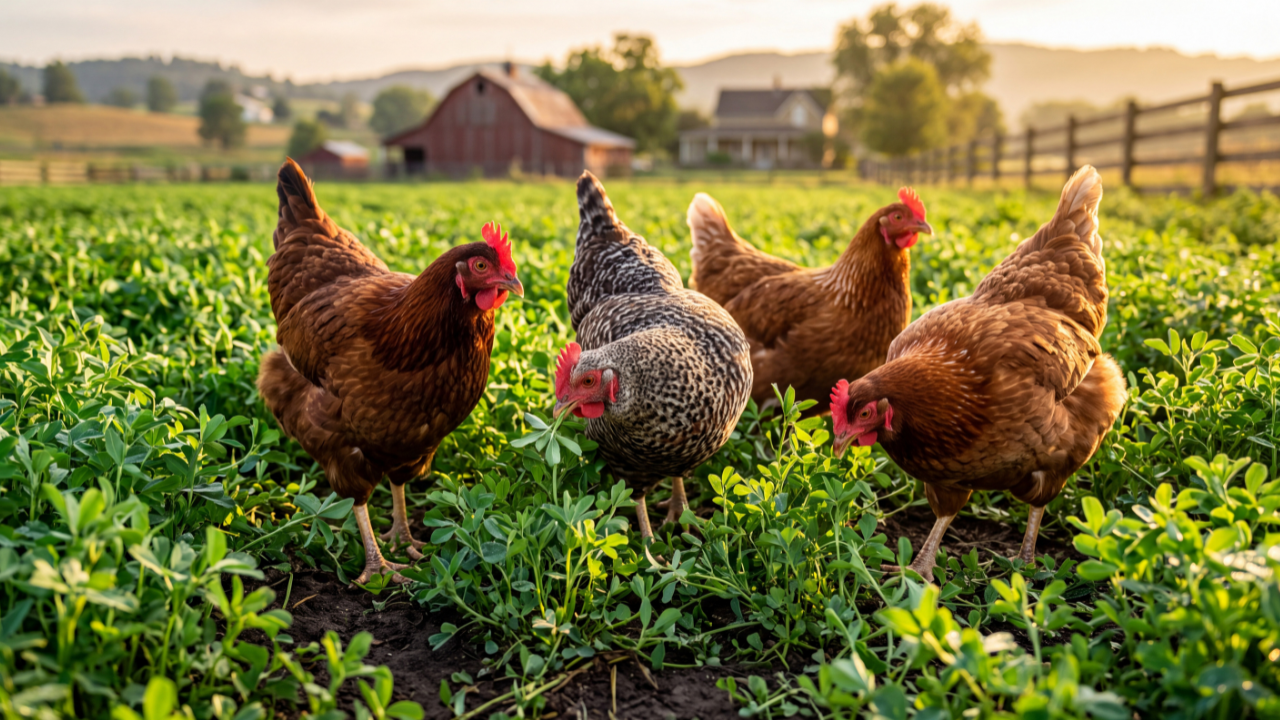
Commercial layer feed is formulated to be "complete," and for the most part, it is. But complete on paper doesn't always mean optimal in practice. Chickens are omnivorous foragers by nature. In the wild, jungle fowl (the ancestors of our backyard hens) spend most of their day pecking through vegetation, bugs, and seeds — not standing at a feed trough. When I started supplementing my flock's diet with high-protein grasses, I noticed changes within about three weeks: glossier feathers, firmer eggshells, and yes, that egg count climbed back up.
I'm not a poultry scientist, and I want to be upfront about that. What I am is someone who has kept between 12 and 30 chickens continuously since 2013, has lost birds to poor nutrition mistakes I made early on, and has spent a lot of time comparing notes with a local extension agent and two commercial egg farmers I buy feed from. Everything below is a mix of what I've personally tested and what I've verified against agricultural extension resources.
What Makes a Grass "High-Protein" for Chickens?
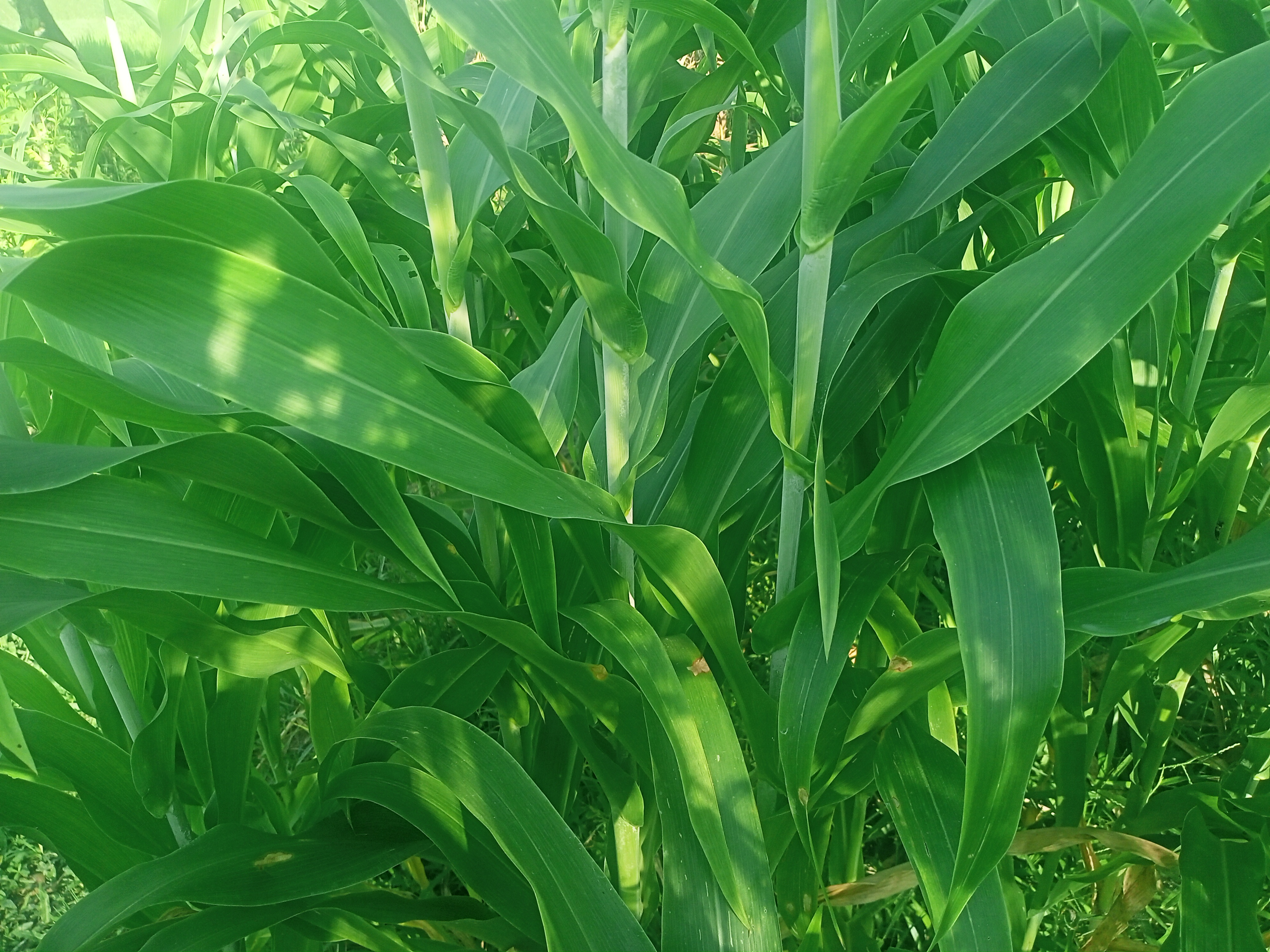
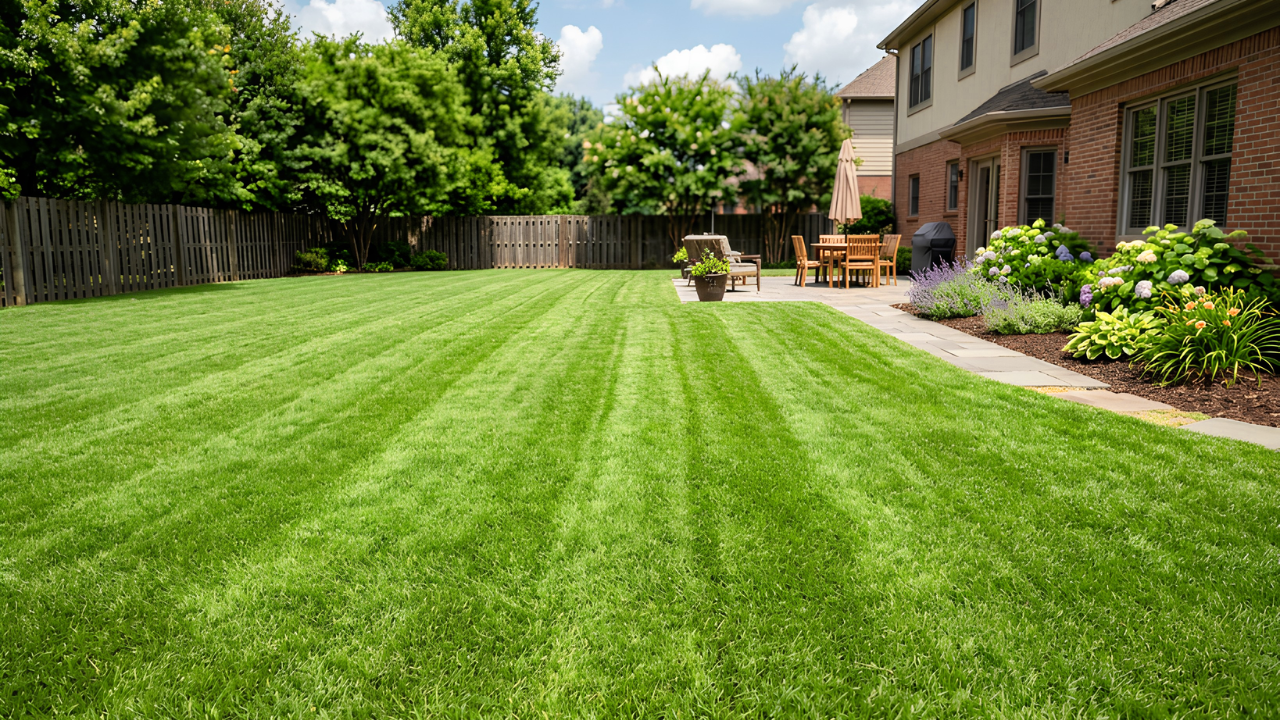
Not all grass is created equal. Most common lawn grasses (like Kentucky bluegrass or standard fescue) hover around 8-12% crude protein when young, dropping fast as they mature and go to seed. The grasses I've had the best results with sit meaningfully higher, especially when harvested young and tender.
Here's what I've grown and fed, roughly ranked by protein content in my own testing and comparison to published forage data:
- Alfalfa – Often 18-22% crude protein when cut young. This has been the single biggest game-changer in my flock's diet.

- Fodder oats (sprouted) – Around 15-18% protein at the sprout stage, and my birds go absolutely wild for it.

- Clover (red and white) – Roughly 15-20% protein, and it self-seeds like crazy once established.

- Ryegrass (perennial) – About 12-18% depending on growth stage; a solid all-rounder.

- Millet grass – Around 11-15%, and drought-tolerant, which matters if you're in a hotter climate like I've dealt with the past two summers.

I want to be honest here: protein percentage isn't the whole story. Digestibility, mineral content, and how fresh the grass is when your birds eat it all matter just as much. A wilted, mature grass with technically high protein numbers won't do much good if your hens won't eat it or can't digest it well.
How I Actually Grow It (Not Just Theory)
I split my grass-growing into two systems, and I'd recommend most backyard keepers do the same.
1. A Dedicated Forage Patch
I fenced off about 200 square feet next to my main run and seeded it with a mix of alfalfa, white clover, and perennial ryegrass. I rotate my chickens onto this patch in sections using portable electric poultry netting, giving each section about 10-14 days to recover before the birds go back on it. This rotational grazing approach is something I picked up after reading about managed grazing systems used in pasture-raised egg operations, and adapting it down to backyard scale.
2. Fodder Sprouting System
On days when weather keeps the flock cooped up, or during winter months when my forage patch is dormant, I sprout fodder indoors. I soak barley or oat seeds for 12 hours, then spread them in shallow trays, rinsing twice daily. Within 5-7 days, I've got a thick mat of protein-dense green sprouts that I can hand-feed or scatter in the run. This costs me maybe $15 a month in seed and has noticeably reduced my winter feed bill.
What I've Learned the Hard Way
A few lessons that cost me time, money, or the occasional sick bird:
- Don't overdo it. Grass and forage should supplement, not replace, a complete layer feed. I once got overzealous and cut back on pellets too much, and my hens' calcium intake dropped, leading to thinner eggshells. Grass alone won't give them everything they need — particularly calcium and certain amino acids.
- Avoid grass treated with pesticides or herbicides. This seems obvious, but I've made this mistake with clippings from a neighbor's lawn before I knew their spraying schedule. Always know the source.
- Freshly cut grass in large clumps can cause crop impaction. I learned this after one of my hens developed a swollen, doughy crop. Now I always chop longer grass into shorter pieces before offering large amounts, and I avoid mowing and dumping huge piles all at once.
- Introduce new forage gradually. Sudden diet changes can upset a chicken's digestive system just like they can with any animal. I phase in new grasses over 1-2 weeks.
A Simple Weekly Routine That's Worked for Me
- Monday/Thursday: Rotate flock to a fresh section of the forage patch
- Daily: Scatter a handful of fresh-cut clover or ryegrass clippings if not actively foraging
- Winter/rainy days: Offer fodder sprouts as the primary greens source
- Ongoing: Full-time access to a balanced commercial layer feed and grit
This isn't the only way to do it, but it's the rhythm that's worked consistently for my flock across different seasons and even a move to a new property in 2021.
Frequently Asked Questions
Is alfalfa really the best option for backyard flocks? In my experience, yes, for protein content and ease of growing in most climates. It's also perennial, meaning once established, it comes back year after year with minimal replanting.
Can chickens eat too much high-protein grass? It's possible to unbalance their diet if forage completely replaces their formulated feed, particularly affecting calcium intake for laying hens. I treat forage as a supplement covering roughly 10-20% of their overall diet, not a replacement.
How long does it take to see results in egg production? For my flock, noticeable changes in feather quality and egg consistency showed up within three to four weeks of consistent access to high-protein forage.
Do I need special equipment to grow fodder indoors? Not really. I started with basic plastic seed trays with drainage holes and a spot near a window. You can scale up later with stacked shelving if you want higher volume.
Final Thoughts
I won't claim this approach turns every flock into an egg-laying powerhouse overnight, and I'd encourage anyone trying this to keep observing their own birds rather than assuming what worked for me will translate exactly. But after years of trial, error, and a fair amount of research alongside actual practice, high-protein grass has become one of the most reliable, low-cost tools in my chicken-keeping routine. If you're on the fence, I'd start small: a single tray of fodder sprouts or a modest forage patch is enough to see whether your flock responds the way mine did.