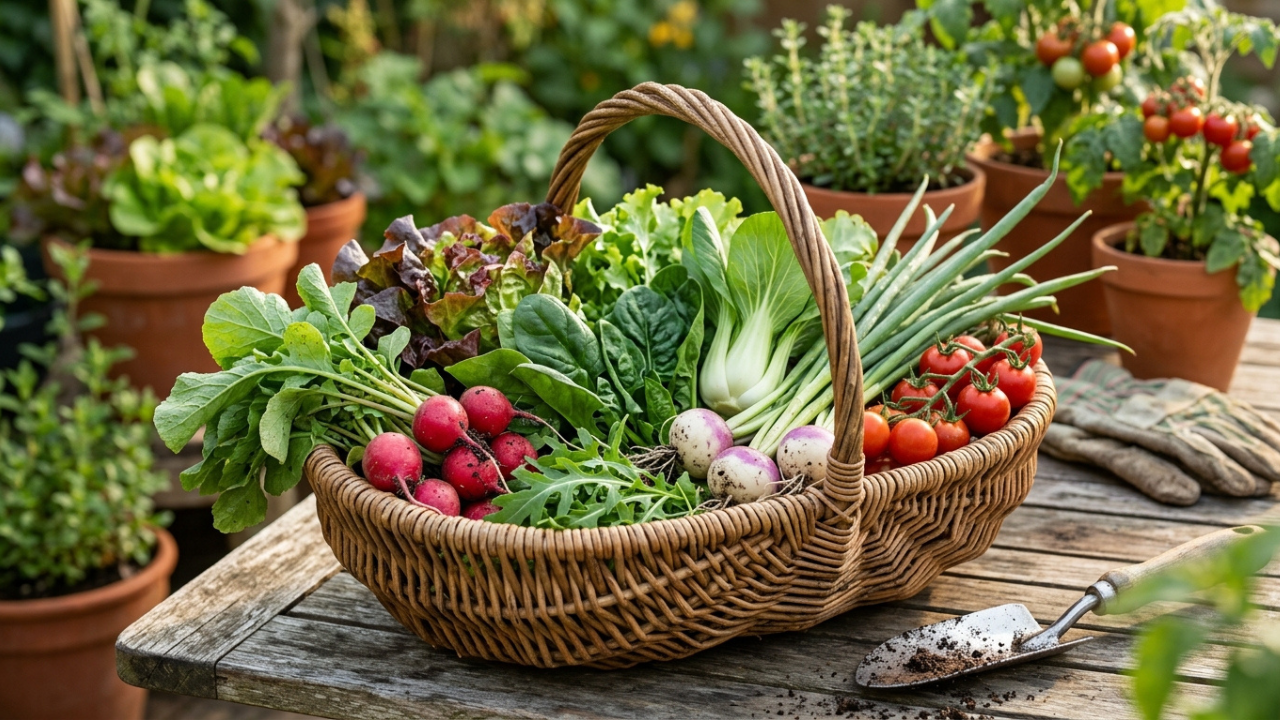
For years I gardened on a balcony that gets maybe three hours of direct sun a day, tucked behind a taller building. I assumed that meant no real vegetable harvest — I was wrong. Once I understood which vegetables actually tolerate low light, and matched them to containers I could move around to chase whatever sun I did get, I started pulling in real harvests. This guide is built from what's actually worked in my own shaded pots, backed up by horticultural research on shade gardening.
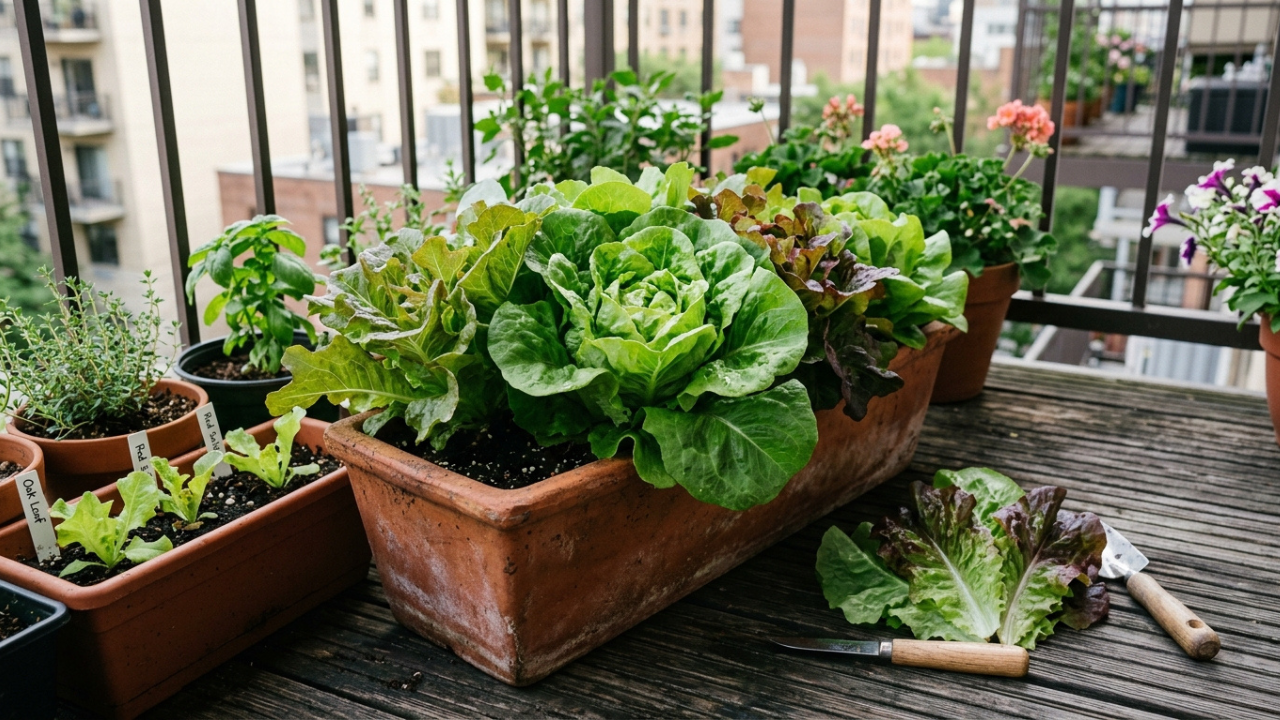
First, Know What "Shade" Actually Means for Your Pots
Before you pick vegetables, it helps to know which category your space falls into, because it changes everything about what you can grow.
- Dappled shade — filtered light under a tree canopy, shifting through the day. This is actually the easiest shade to work with.
- Partial shade — direct sun for only part of the day, often morning or afternoon. Most of what's on this list thrives here.
- Full/deep shade — little to no direct sun at all, like the north side of a building. This makes vegetable growing genuinely difficult, though a few plants can still limp along.
Most vegetables want 6-8 hours of direct sun, but a solid group of shade-tolerant crops can produce well with roughly 3-6 hours. On my own balcony, I've found that anything grown for its leaves or roots — rather than for fruit — is the safer bet in shade. Fruiting vegetables like tomatoes and peppers need much more light to actually set fruit.
Best Shade-Tolerant Vegetables for Pots
1. Lettuce
Lettuce has been the most reliable performer in my shaded pots, hands down. It doesn't just tolerate shade — in my experience it actually prefers it in warmer months, since too much sun makes it bolt and turn bitter fast. I sow it directly into a container at least 6 inches deep and keep the soil consistently moist. In partial shade, I get sweeter, more tender leaves than I ever did trying to grow it in full sun.
2. Spinach
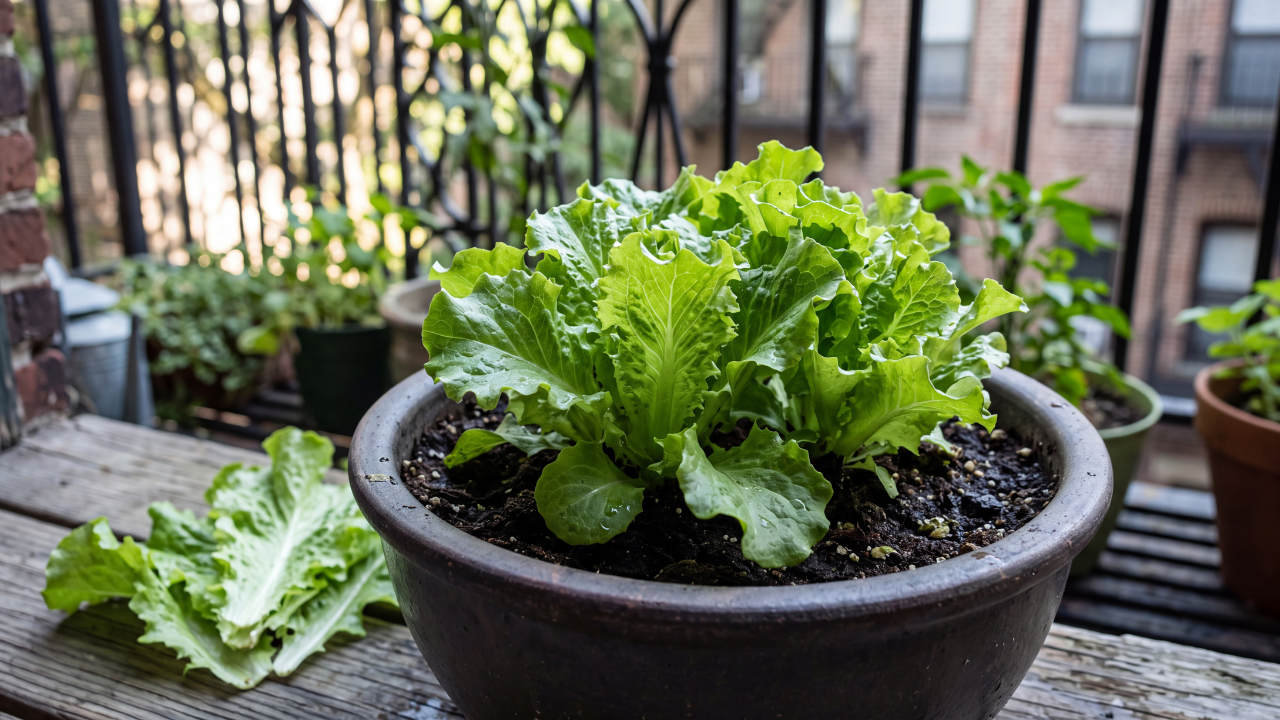
Spinach is another leafy green that does genuinely well without much light. I grow mine in a pot 6-8 inches deep with an organic-matter-rich potting mix, and I harvest outer leaves continuously instead of waiting for full maturity. It's one of the few crops where shade actually improves the eating quality — the leaves stay tender instead of turning tough and bitter in the heat.

3. Arugula
If I had to pick one vegetable to recommend to someone with a genuinely dark balcony, it'd be arugula. It doesn't just tolerate shade — it thrives in it. I keep mine in a shallow, wide container and it's never once struggled, even in spots where other greens looked stressed.

4. Kale
Kale has become one of my favorite shade crops because it's forgiving and productive with just a few hours of sunlight per day. It's also very cold tolerant, so in my own garden it's often the last thing still producing into late fall when everything else has finished. I grow it in a deep container since it develops a fairly substantial root system over time.

5. Swiss Chard
Chard rewards patience in shade. Don't expect the huge, dramatic leaves you'd get in full sun — in three hours of sun a day, mine still produced plenty of tender baby leaves, just at a smaller scale. I like it because it's both ornamental and edible, so even a modest shaded pot of chard looks good on a balcony.
6. Radishes
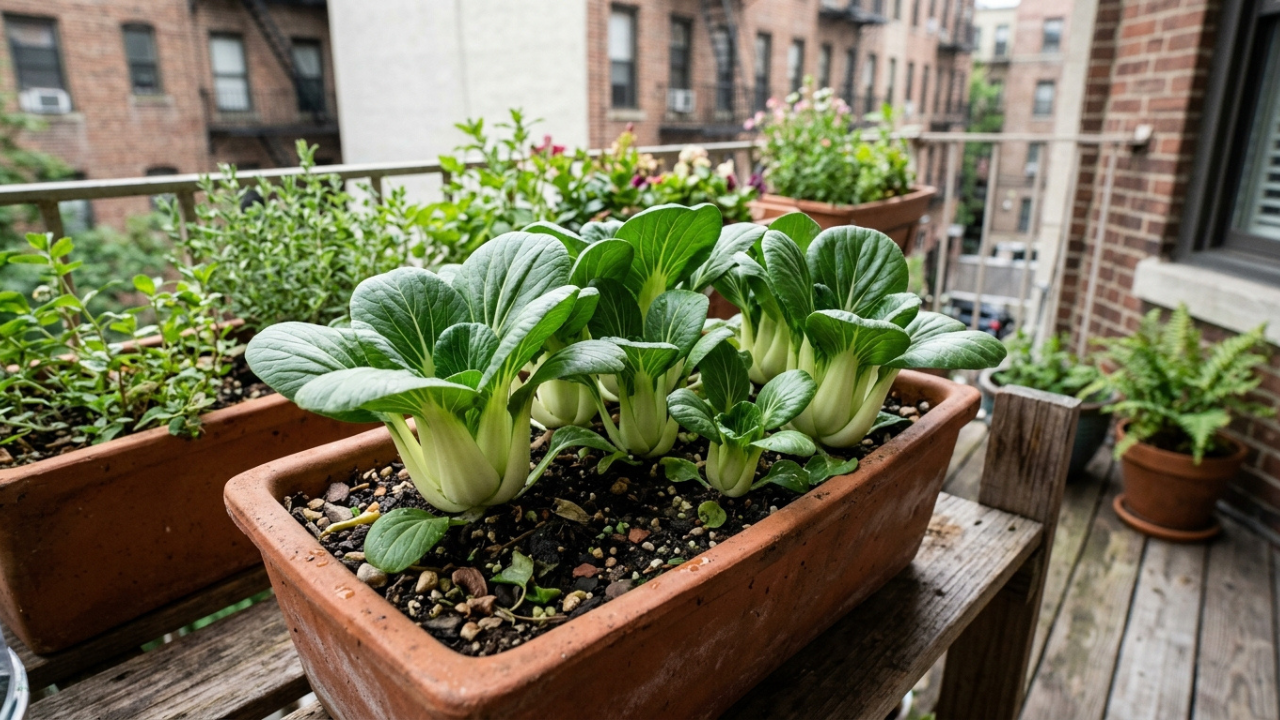
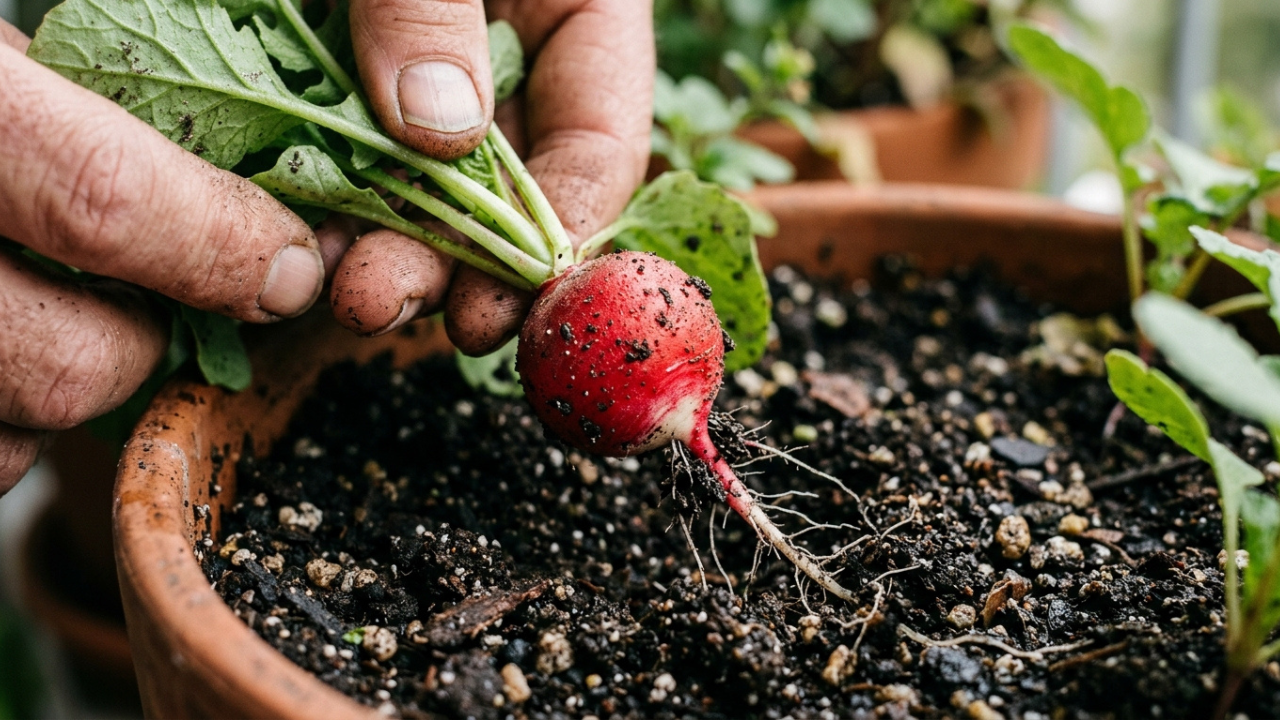
Radishes are one of the fastest vegetables I've ever grown, shade or not, ready to harvest in as little as 30 days. In dappled shade specifically, they still perform well, which makes them one of the best "quick win" crops for a beginner working with limited light. I use a container at least 6 inches deep and thin the seedlings early so they don't crowd each other out.
7. Beets
Beets are a genuine two-for-one crop in shade. In pots with less than four hours of sun, I've learned to focus on harvesting the greens rather than expecting big roots — the roots do form, but they stay noticeably smaller than beets grown in full sun. Either way, nothing goes to waste.

8. Carrots
Carrots will grow in shade, but I'll be upfront: they take a few weeks longer to mature and the roots come out smaller than what you'd get in full sun. I've had better luck picking shorter, stubbier varieties for shaded containers rather than the long, tapered kinds, since they don't need as much root depth to develop properly.

9. Turnips
Turnips have turned out to be one of the easiest root vegetables I've grown in partial shade. Like beets, they're forgiving about exact light levels, and I treat any smaller-than-expected roots as a bonus rather than a failure, since the greens are usable regardless.

10. Peas
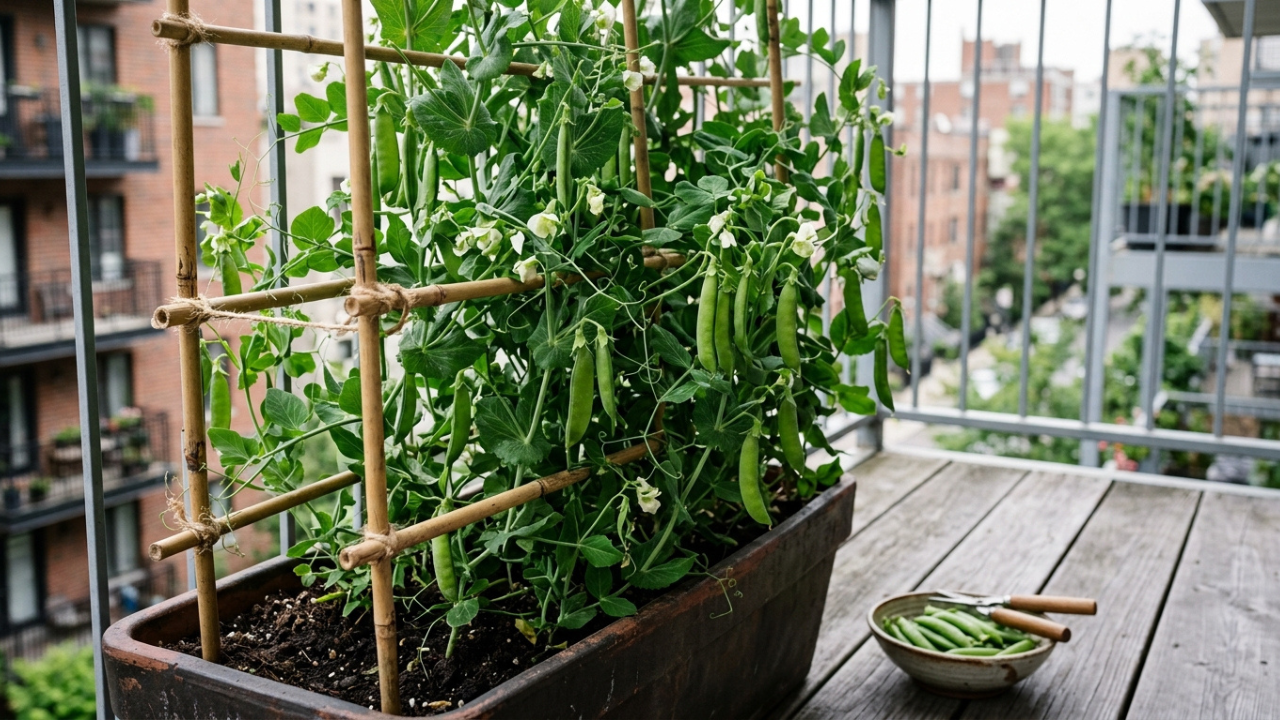
Peas have surprised me the most. I didn't expect a fruiting-adjacent crop to do well in partial shade, but they've held up better than tomatoes or peppers ever could in the same spot. I grow them in a deep container with something for the vines to climb, and they've reliably produced pods even with limited direct sun.
Vegetables I'd Skip in Shade
I want to be honest here, because a lot of shade-gardening lists get vague about this. Tomatoes, peppers, and other fruiting vegetables genuinely need the most sunlight to produce well, and I've tried and failed with all three in my shadiest pots. If your space gets less than about four hours of direct sun, I'd put your energy into the leafy greens and root crops above instead of fighting to force a tomato plant to fruit — it's not worth the disappointment.
Tips That Actually Made a Difference for Me
- Move your pots. One advantage containers have over an in-ground shade garden is that you can shift them throughout the day or the season to chase available light. I reposition mine as tree canopies fill in through spring.
- Water more, not less. Shaded soil holds moisture longer, but the plants growing in it are often thirstier leafy greens that don't tolerate drying out. I check my shaded pots just as often as my sunny ones.
- Use a lighter, well-draining potting mix. Shaded containers are more prone to staying soggy, so I avoid heavy garden soil and stick to a proper container mix.
- Don't expect full-sun yields. Shade-grown vegetables are often smaller but more tender. I've learned to set my expectations around quality of harvest rather than quantity, and I've genuinely preferred the taste of my shade-grown lettuce and chard over sun-grown versions in hot months.
My Honest Recommendation for Beginners
If you're starting a shaded container garden for the first time, I'd begin with lettuce, arugula, and radishes — they're the most forgiving, fastest to reward you, and least likely to disappoint. Once you've got those established, branch into kale, chard, and beets for a fuller rotation. Skip fruiting vegetables entirely unless your space genuinely gets four or more hours of direct sun. Shade gardening isn't a consolation prize — done right, it's produced some of the best-tasting greens I've grown, sun or no sun.
This guide is based on my own experience growing vegetables in shaded containers, cross-referenced with horticultural sources including Garden Betty, Bonnie Plants, and Almanac.com shade-gardening guidance.